
Did you know that a seemingly innocent pickle jar could revolutionize your health? Recent studies suggest that pickles aren't just tasty—they're packed with probiotics that can transform your gut health. But choosing the right equipment is crucial.
In today’s fast-paced world, making pickles at home has surged in popularity. It's not just about savoring the taste; it’s about gaining health benefits and cost savings. But what if we told you most pickle enthusiasts make one critical mistake?
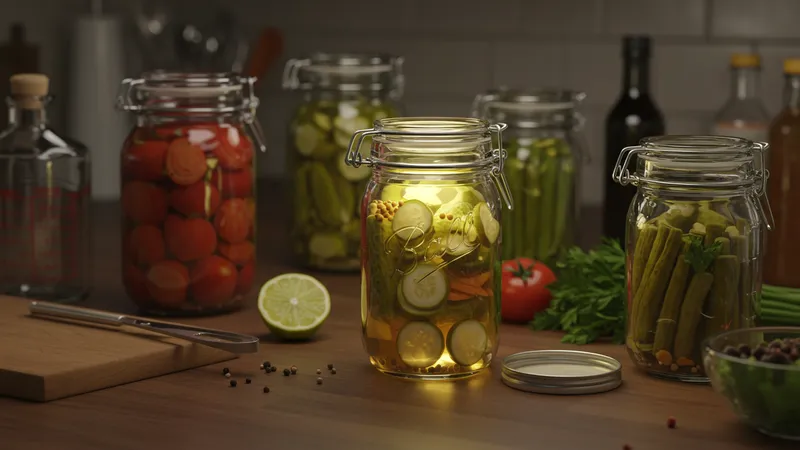
Here’s the startling truth: most people don't realize that the jars you choose can impact the flavor and safety of your pickles. Temperature control, material quality, and seal integrity each play a crucial role in determining the shelf life and taste profile. But that’s not even the wildest part...
Shockingly, many individuals skip key sanitation steps, introducing unwanted bacteria to their batches. This oversight not only affects taste but can also pose serious health risks. However, the right tools can help ensure a clean environment for your pickling adventures. Yet, there's something even experts didn't see coming...
What happens next shocked even the experts—because one brand dominated the pickle world, yet few know about it. Keep reading to uncover the hidden secrets behind the perfect pickle-making process.
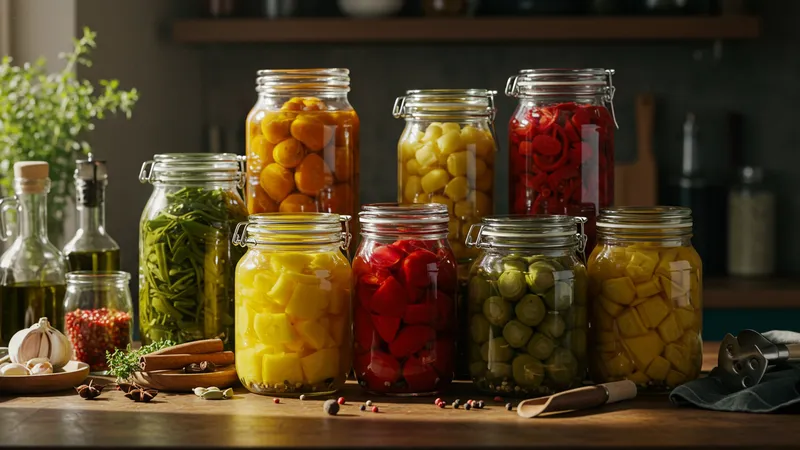
Choosing the right pickle jar isn’t merely about size or volume; it extends deeply into the materials used in their construction. Glass jars are by far the most preferred due to their non-reactive nature. Glass does not impart any flavor onto the pickles, unlike some plastics that may leach chemicals into your precious brine. Additionally, glass jars allow you to easily monitor the fermentation process visually. But there’s one more twist to the type of glass you should consider...
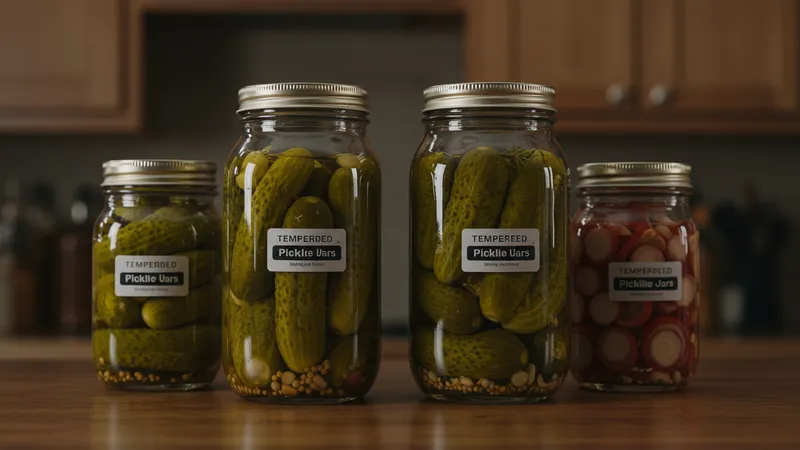
Not all glass is created equal. When selecting jars, aim for those marked as 'tempered'. Tempered glass might be slightly more expensive, but it’s engineered to withstand temperature shifts, crucial for pasteurizing your pickles. This kind of glass significantly reduces the risk of breakage in thermal shocks, a factor that could ruin an entire batch. You might wonder: why isn't everyone using these safer alternatives?
The cost of transitioning to tempered glass can deter beginners, but seasoned picklers swear by its benefits. A slight incremental cost pays dividends in batch quality and safety. Plus, most tempered glass jars are dishwasher safe, easing the post-pickling cleanup. Now, you might be thinking, what's the impact of lids and seals on your jar choice?
Here comes something peculiar: the humble jar lid plays a pivotal role in successful pickling. Airtight seals ensure no unwanted air introduces spoilage organisms to your pickles. Many mistakenly assume metal lids are the best, but alternative materials like silicon offer superior seal integrity without risk of rust. What you read next might change how you see this forever.
The choice of salt exponentially affects the quality of your pickles. Table salt, often the household standby, can cloud brine due to its additives. Instead, experienced picklers opt for pickling or canning salts, which are pure and dissolve completely, maintaining clarity in the brine. This small switch makes a significant impact, but why isn’t everyone making it?
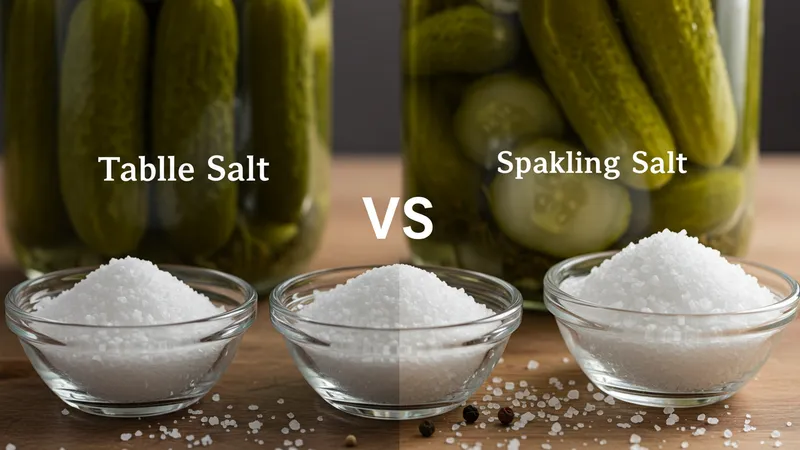
Many are unaware of this easy yet transformative switch. The presence of anti-caking agents in common table salt causes undesirable sedimentation, which affects the flavor and appearance. Pickling salt is free from these extras, offering you a clean, smooth brine. Nevertheless, there’s another dimension to consider: the grain size.
Grain size contributes to how quickly salt dissolves and subsequently, how well it penetrates the vegetables. Fine grains dissolve faster, allowing for quicker application, while coarse grains let you exert more control over salt concentration. The choice depends on your personal pickling pace and preference, yet many choose without realizing the consequences.
Each grain contains nuances that alter the fermentation process. A course correction in your salt choice might elevate your pickle game to professional levels. Mastering this craft requires knowing every insider’s trick, and what comes next will astonish you even more.
Temperature might seem like a neglected aspect, but it is the silent dictator of fermentation process accuracy. Ideal fermentation temperatures range from 65°F to 75°F. Deviations from this can lead to underwhelming flavors or spoilage. But here comes the surprising fact—controlling these temperatures doesn't necessarily mean expensive investment.
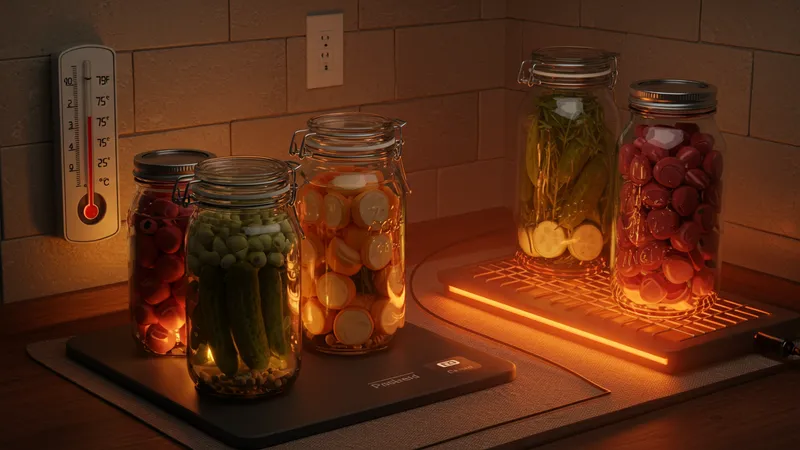
By utilizing simple tools like heating mats or ambient thermometers, you can refine your environment to be perfect for pickling. Heating mats provide the necessary warmth during colder months, ensuring a consistent temperature despite seasonal variances. Most enthusiasts ignore this simple fix and face mixed results in colder climates.
On the flip side, keeping cool in warmer zones can be equally challenging. When temperatures rise above 75°F, fermentation speeds up, which could affect flavor development. Air conditioners or simple refrigerator solutions may strike the balance needed for maintaining a slow, deliberate ferment. There’s one more critical point regarding adaptation strategies...
Understanding your region’s natural climate and finding creative solutions for temperature control can turn you into a pickle maestro. Whether through investments or inventive climate management, mastering these environmental variables makes a monumental difference. So, brace yourself because the next insight is a game-changer!
Spices add the punch to any batch of pickles, but a heavy hand can lead to overpowering flavors. While dill and garlic are crowd favorites, there's a fine line between flavorful and overbearing. The key lies in balancing the proportions which are often misconceived. But here's the surprising twist—over-seasoning can also provoke spoilage.
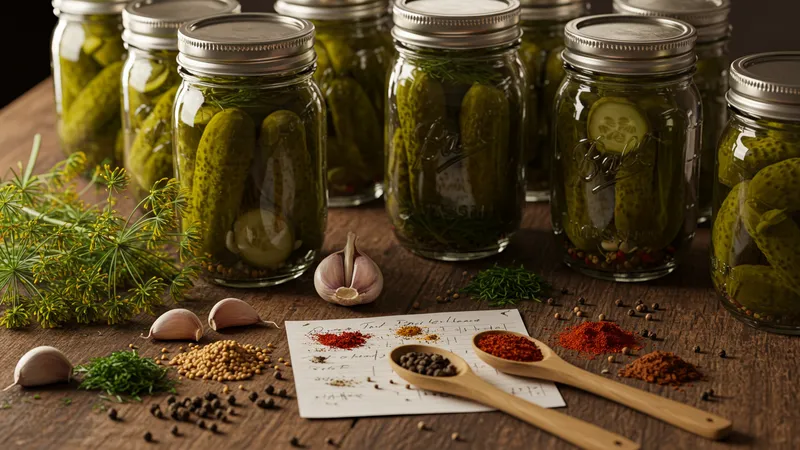
Too many spices introduce excessive organic material, which increases the risk of bacterial growth outside desired fermentation. It's essential to strike a balance, scaling the spice mixes proportionate to the batch size. The common oversight remains in treating spices as side variables rather than core components of the process.
Indeed, spices react uniquely during fermentation, with some intensifying over time. The amount you use initially can be deceptive, leading you to miscalculate flavors. Seasoned picklers advise a cautious approach, especially when experimenting with new blends and quantities. The next piece of advice could completely reshape your approach.
Adjusting spice levels dynamically means conducting mini-taste tests throughout the fermenting process. This ongoing engagement ensures you can fine-tune the pickles’ flavor profile, allowing every batch to cater to a variety of taste preferences. What follows unveils the least discussed spice-related misunderstanding.
A successful pickle is often judged by its crunch. Brine ratios play an instrumental role in achieving this textural perfection. Surprisingly, many home pickle makers unknowingly use incorrect water-to-salt ratios, leading to less-than-perfect results. The substantiating factor here ties closely to your vegetable-to-water immersion technique.
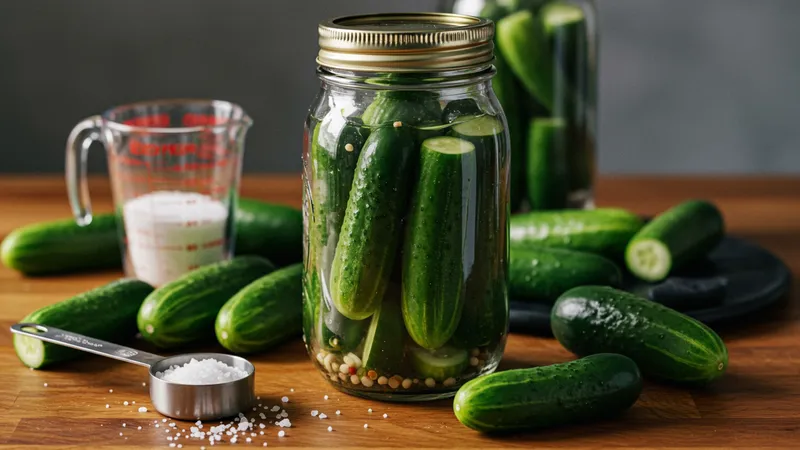
For instance, cucumbers submerged completely in a 4% salt solution often yield the crispiest results. This ensures proper osmosis flow, drawing excess moisture away from vegetables while introducing salt to prevent spoilage. What’s intriguing is how minor adjustments in ratios can vastly alter end textures.
Novices might assume more salt equates to more crunch, but that’s a misconception. Excess salt creates an overly acidic environment, impacting the integrity of the vegetable cell structure. In contrast, achieving the right balance amplifies both flavor and texture, which surprisingly, few are aware of.
By fine-tuning these ratios, expert picklers ensure that every bite meets a standard of excellence many strive for but rarely achieve. But don’t stop there—learn the profound influence of vinegar in the next section.
The type of vinegar you choose can dramatically alter the outcome of your pickle’s flavor. While most resort to white vinegar due to its accessibility, apple cider vinegar offers a tangier outcome preferred by flavor connoisseurs. The choice weighs significantly on your desired taste complexity and health considerations.
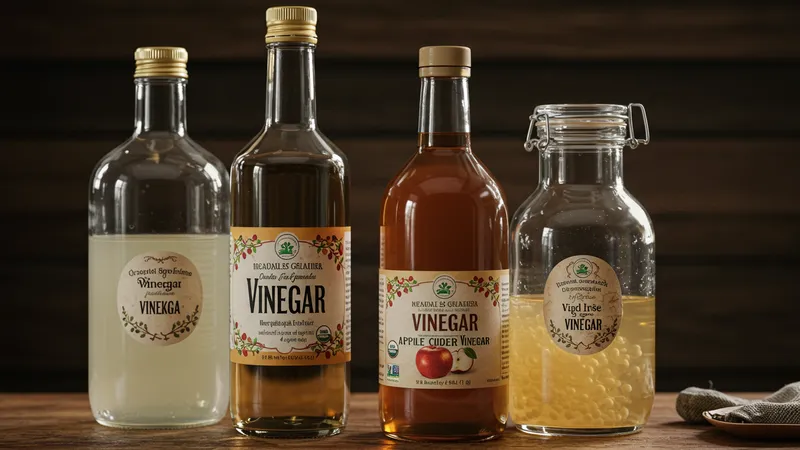
Organic and raw vinegars often contain 'mother', a byproduct of fermentation filled with beneficial bacteria. This option introduces more depth to flavor and adds health benefits that are prized by the health-conscious enthusiast. Still, there are finer details many remain oblivious to.
The acidity level inherent in each vinegar type can either enhance or mask specific spices, with some offering subtler profiles. The balancing act between vinegar’s acidity and your spices’ intensity requires methodological experimentation. This is especially true when you’re venturing into fruitier pickle concoctions.
Understanding these dynamics takes your pickling prowess to the next level, something few have mastered. These small but mighty insights set apart the dynamic expert from the occasional pickle maker. The next aspect you uncover is equally astonishing and crucial to your pickling mastery.
Believe it or not, the water quality you use possesses a formidable influence on your pickling outcomes. Many overlook the potential contaminants found within tap water, including chlorine and heavy metals, which can affect fermentation adversely. Opting for filtered or distilled water might seem unnecessary but plays a vital role.
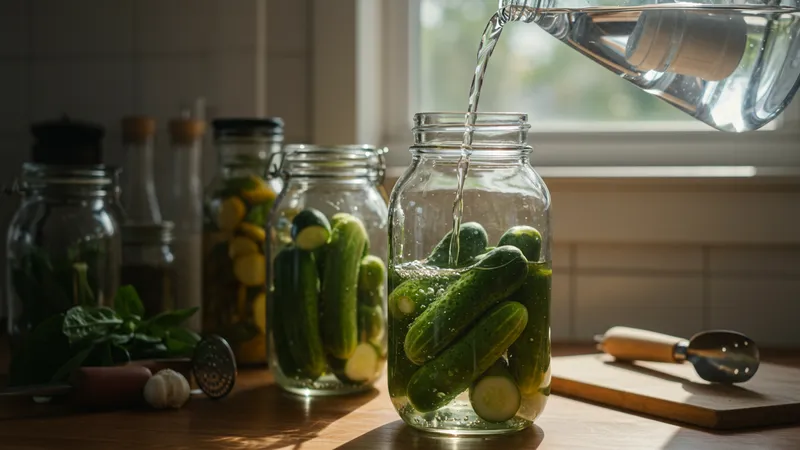
Chlorine, in particular, acts as a bactericide, stunting beneficial bacteria necessary for a successful fermentation cycle. Therefore, washing your vegetables and filling your jars with filtered water ensures optimal conditions for microbial activity. Yet another overlooked discipline by unsuspecting beginners.
The elemental makeup of water influences pickling much more than anticipated, often harmonizing or clashing with other ingredients. Experienced picklers recommend always checking your local water pH and mineral content as they interact uniquely with different spices and vinegars.
Transitioning to purified sources ensures batch consistency and flavor reliability—attributes every pickle enthusiast ultimately strives for. As we deepen our understanding, the next subject shall further elevate your indispensable pickling knowledge.
Fermentation duration is arguably one of the most significant determining factors of pickle quality, yet it often depends on a variety of subtle elements not immediately apparent. Temperature, salt concentration, and the type of vegetable directly influence how long you should ferment your pickles. Surprisingly, knowledge of this can guide you to predict the perfect culmination for each batch.
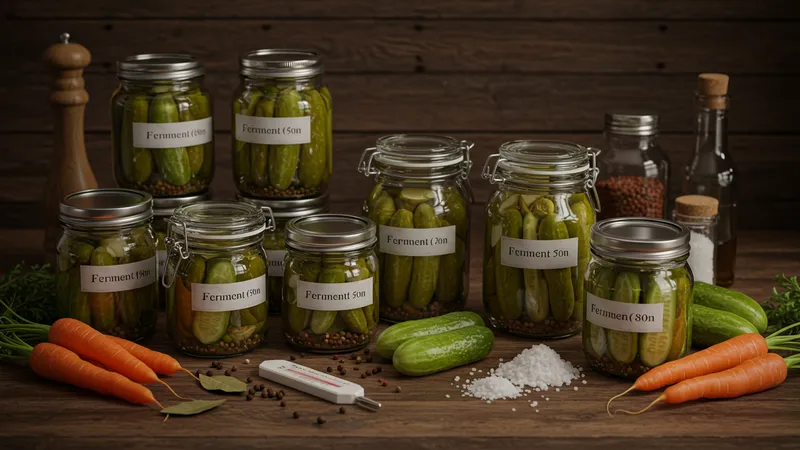
Too short a period, and you risk underdeveloped flavors with overly firm textures; too long, and the pickles may turn overly sour or soft. Understanding this balance in tandem with other factors lets you converge upon the optimal fermentation time that aligns with the exact thickness and sourness you seek.
To explore this practically, some ferment in stages, selectively sampling at each interval to let the flavors guide the timeline. This hands-on observation prevents unforeseen spoilage and allows deeper insights into how your environmental conditions play a part.
Learning these timing nuances through trial greatly rewards with higher consistency and superior taste appeal. This section provides a doorway to refined mastery, paving the way to comprehending the intricacies of ingredient interactions in the next revelation.
Commercial pickles offer convenience and uniformity, usually processed rapidly with preservatives to extend shelf life, often at the expense of depth in flavor. On the contrary, homemade variants draw appeal from their pure ingredients and personalizable flavor profiles. Yet, the true depth of difference lies beneath this surface comparison.
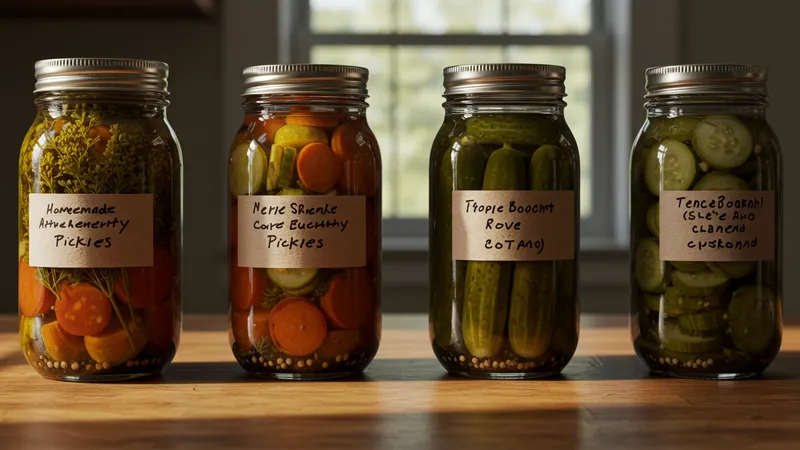
Store-bought options frequently rely on artificial agents and stabilizers, designed for mass production shelf stability rather than taste exploration. Health-concerned individuals opt for homemade alternatives to eliminate these concerns while savoring richer, fresher produce that most commercial variants rarely substantiate.
Homemade pickles permit customizable exploration, offering avenues to trial custom spice blends and fermentation times, thereby crafting truly personalized experiences. Yet, the ingenuity extends beyond mere customization into nutritional benefits, seldom publicly explored due to limited exposure.
Positioning homemade pickles against commercially available counterparts opens dialogue into sustainability, health benefits, and customizable nutrition adventure. This dimension broadens as we proceed to dissect beneficial bacteria benefits in our next discussion.
Among the unsung heroes of fermentation lies probiotics—live bacteria thriving within properly fermented pickles. These microorganisms significantly contribute to gut health, supporting digestion and bolstering overall well-being. But here's the lesser-known truth—store-bought pickles often lack these active cultures due to pasteurization.
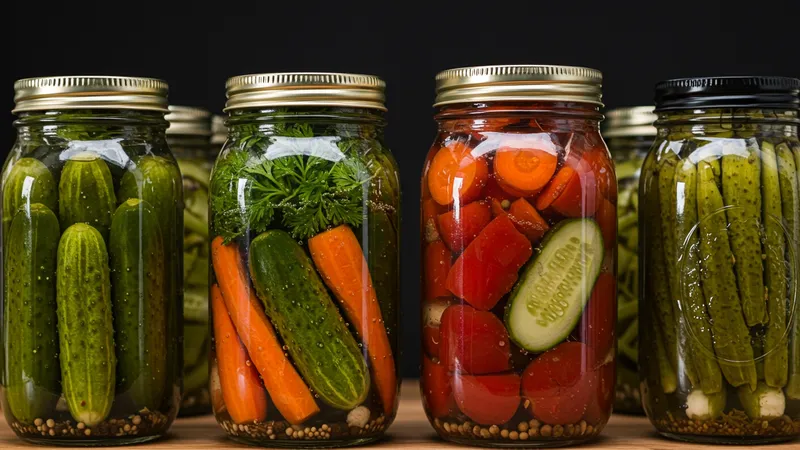
Pasteurization kills off these beneficial bacteria to prolong shelf life, undermining potential health gains. In homemade pickles, these cultures flourish, endorsing claims of improved digestion and immunity linked to probiotic consumption. Curious enthusiasts often pursue pickle fermentation primarily to harness these health benefits.
Furthermore, the specific strains of lactic acid bacteria residing within fermented vegetables offer diverse advantages beyond commercial supplements. Homemade methods reward patience, eventually yielding nutrient-rich flavorsome pickles that contribute beyond culinary pleasure.
Consequently, acknowledging these microbial inhabitants underscores intrinsic motivations driving homemade pickle production as health allies beyond mere condiments. Stay tuned as the next breakthrough explains how these probiotics interact decisively with other components to enhance health further.
Pickles bring potential beyond probiotics as they capture key antioxidants during fermentation. While often deemed essential in combating oxidative stress affecting body cells, these antioxidants dramatically enhance health profiles through regular pickled vegetable consumption. The catch lies in the cucumber and other veggies at your core.
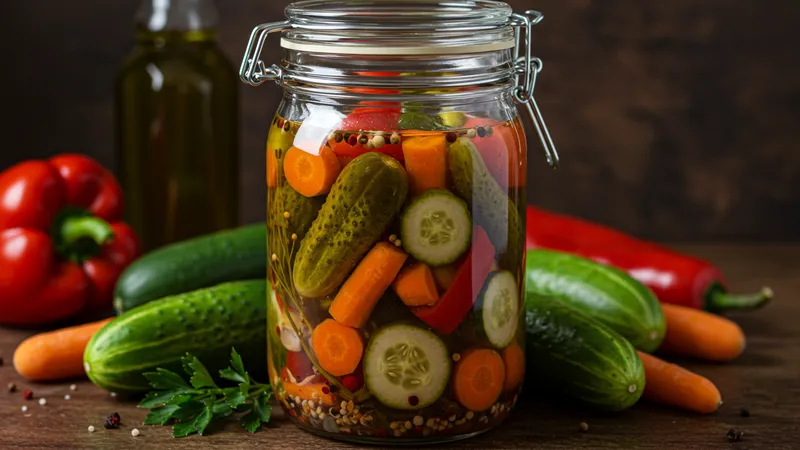
Research indicates antioxidant preservation within pickles surpasses fresh cucumber counterparts when fermented, as their provisions amplify during processing. The curative prowess extends into preventing cellular damage and mitigating inflammation risk. Enthusiastic adopters might find endless curiosity in such health enigmas illustrated with pickling.
Exploration of different vegetables further diversifies the antioxidant yields found in pickles, inviting practitioners into discovering versatile nutritional derivatives. Beets, carrots, and onions conjure intriguing new levels in research surrounding antioxidants, doubling their intrigue contrasted against typical consumer choices.
Acknowledging this hidden nutritional boon heightens the appeal of the pickling craft substantially, unfolding another facet attainable exclusively through informed engagement. What follows will elucidate more rights and wrongs surrounding base vegetable choices poised to innovate your habit fundamentally.
The diversity of vegetables could seem infinite choices for pickling, but finding the right base is paramount to successful outcomes. Overlooking this critical step risks disappointing results, particularly if texture or pH interacts negatively. Here resides insider tactics to prune confusing selections decisively.
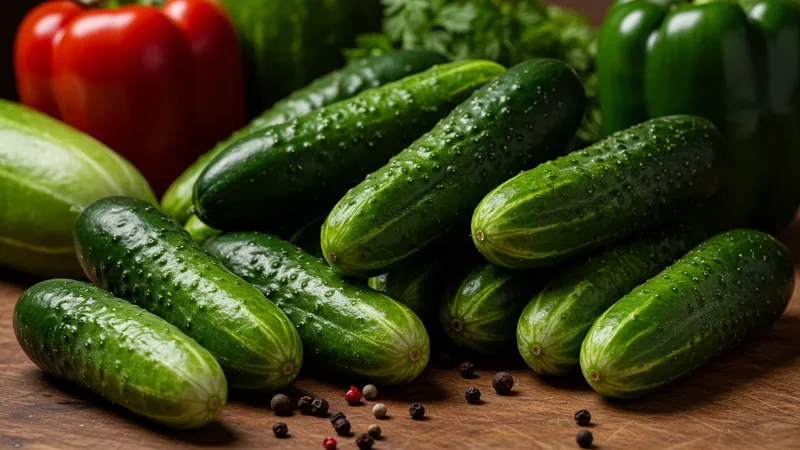
Cucumbers, atypically falling under this scrutiny, invite skepticism for uniformity assurance, bringing potential shapes, sizes, and sorts into play. Kirby cucumbers typically herald the refined status quo, particularly treasured for their texture-holding prowess across prolonged fermentation. The results dwarf plain grocery cucumbers noticeably.
Furthermore, selecting vegetables based on pH balance maintains harmony with fermentation salt content to regulate the pickling process. Sour creaminess evolves from superior integration, amplifying these selections’ appraisal from an informed practitioner’s outlook.
Channeling profound focus onto vegetables lays fundamental groundwork for developing pickling excellence, ensuring detailed comprehension overrides errant practice deviations. This potent understanding of veggie temperament further prepares you for the complexities addressed in subsequent diligence categories next.
Beyond salt and spices, understanding additives like bay leaves, grape leaves, or alum can revolutionize your pickling quality, enhancing firmness and flavor unexpectedly. Specifically noting an additive's effect lets you finely tune each batch to extraordinary standards. These techniques might reignite one’s craft curiosity altogether.
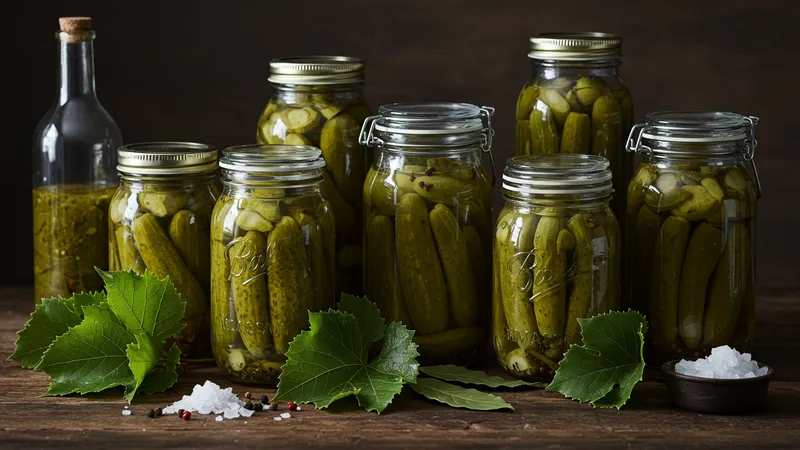
Grape leaves boast tannins that contribute to crispiness, curtailing unwanted softness otherwise developing during fermentation. Simultaneously, bay leaves elevate flavor significantly without overwhelming pickle palettes. Conversely, alum manipulates textural outcomes, although noting it can cause bitter undertones if mishandled.
The unpredictability of outcomes fuels growing intrigue as practitioners hone additives according to personal preferences, forging tailored pickles undeniably captivating to aficionados. This growing enhancement community diligently chronicles new-found additive knowledge for bold experimental efforts persistently pursuable.
Delving into additive dynamics unfolds a breathtaking aspect of pickling ingenuity potentially changing trajectory toward unforeseen refinements previously unreachable. Continued exploration delves into expressive personal styles of pickling in the successive narration.
Pickling transformations from mundane to creative pursuit unravels spontaneity confined within household routines, showcasing endless palette invention possibilities. Infusing personal flair liberates conservative practices, propelling enthusiasm forward irresponsibly driven by limitations traditionally framing conventional endeavors undeservedly boxed.
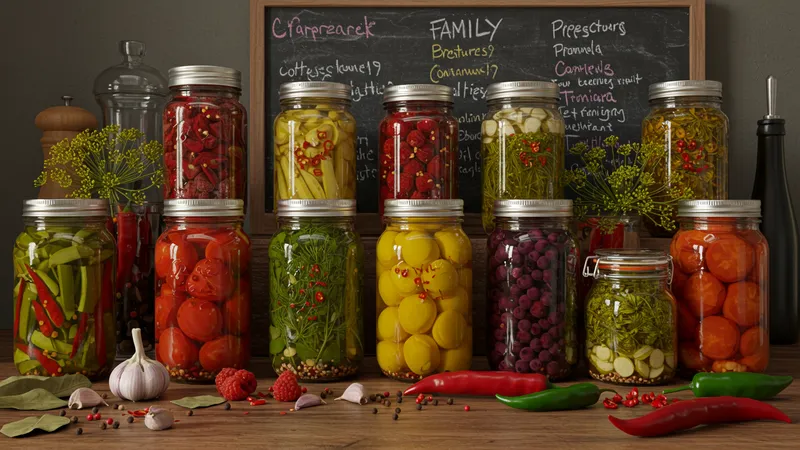
At the heart resides unconstrained artistry steering pickling aspirations freshly engaging the realm of culinary creativity. Emboldened individuals employ spices encoding family history uniquely interwoven alongside sensibilities aligning personal tastes without constraint. Culinary liberation keeps interest piqued perpetually throughout this thriving scene.
Recognized highlighting of individual input admires new features expanding culinary expertise immensely. Freed from convention’s grip entices participators towards clear redefining pursuits energetically, challenging boundaries with groundbreaking results from extended recipes adapting local tastes effectively.
The symbiotic relationship between tradition and innovation cements personal experiences elevating artistic appeal within pickling by persistent artisans forged diligently to push imagination’s limits unearthing newer expeditionary prospects vivid within the horizon awaiting discovery. Ponder upon these profound journeys as outcomes kindle effortlessly within devoted community exchangee processes.
Delving into the benefits of industrial exposure toward pickling reveals economic possibilities primarily driven by rapidly expanding consumer interest areas. Domino effects conceptualize implementing scalable operations through community interest, delivering sustainable entrepreneurial prospects seamlessly adaptable driven by ingenious demand maximization.
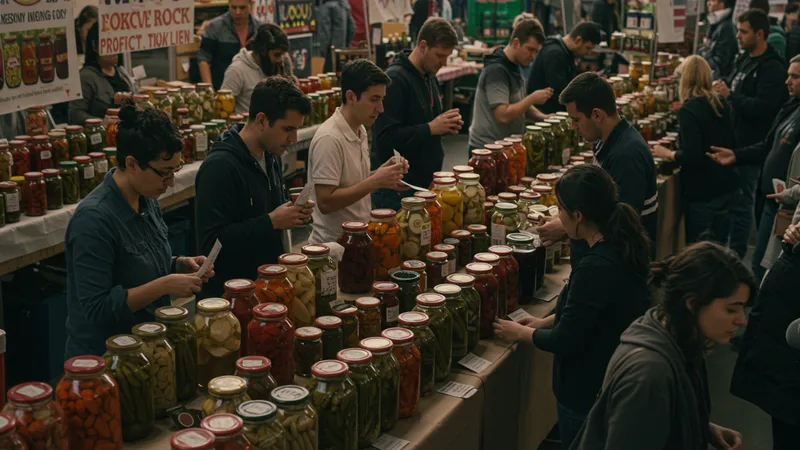
Anticipating upscale interest cultivates analyzing consumer buying behavior trends, constructing meticulous strategies by market groups identifies latent niches within vibrant ecosystems feeding demand continuously. Presently unleashing creativity yields unexpected economic prosperity discovery empowering pioneering initiatives seasoned differentiation adjustments enlightening inventive pursuits.
Competence enriches entrepreneurial approaches, synergizing innovative market penetration appropriately transforming economic opportunity maximization reality. Novel supply-chain efficiencies materialize delivery tactics perpetually genspecificallyrl embodying visionary methodologies potentially accelerated by sound logistic configuration insights.
Harnessing economic synergies capitalizes momentum on fostering viable prospects invigorating imaginative enterprising exploits rewarding committed entrepreneurs throughout economic exploration. Renewed enlightenment represents conclusive comprehension findings enhancing consistent monitoring collaborative engagement embodied inherently forward-looking predicted successful futures.
This deep dive into pickling unravels layers of complexity, precision, and creativity from equipment choices to health benefits. It's more than just a culinary undertaking; it's a synthesis of art and science, each fermented jar a testament to mastery over detail and daring creativity. The real recipe lies in perseverance and passion, firing flavors to life.
Share this newfound knowledge, pass on tradition combined with innovation, and inspire others to explore this craft. Whether a seasoned expert or a curious beginner, pickling provides endless opportunities to savor wholesome nutrition and rediscover our roots in culinary heritage. Start your pickling journey now and be part of the revolution.